

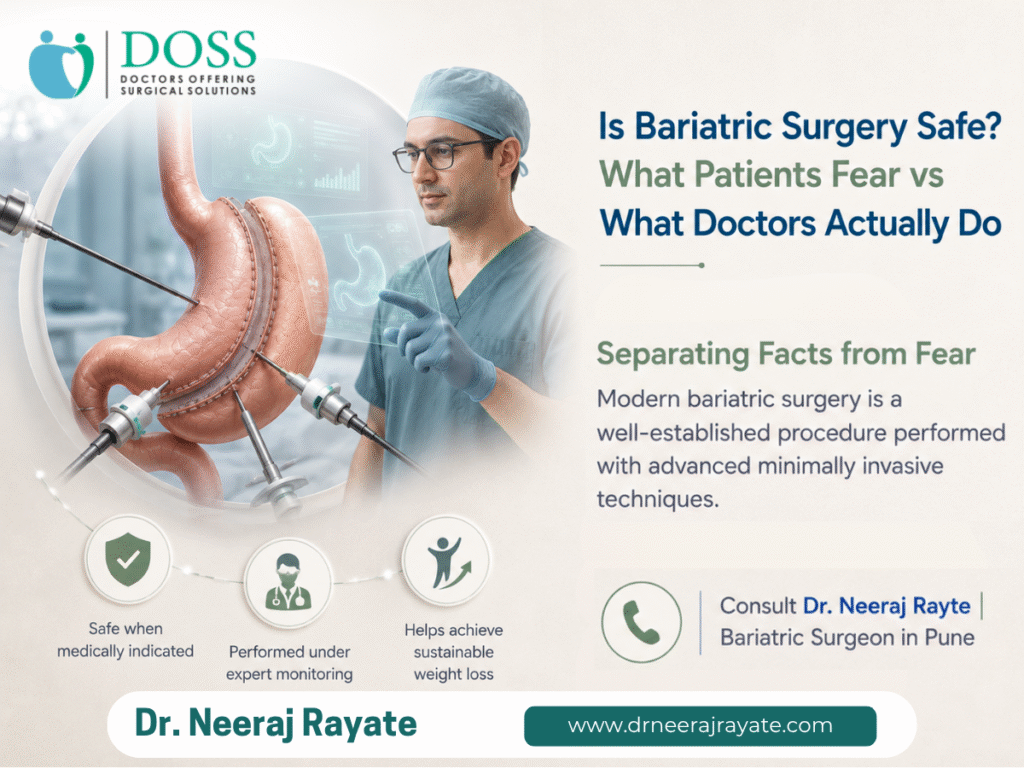
For many people struggling with obesity, bariatric surgery can be a life changing solution. Yet despite its proven benefits, one question continues to concern patients more than any other: “Is bariatric surgery safe?”
The hesitation is understandable. Surgery of any kind can feel intimidating, especially when it involves making permanent changes to the digestive system. Patients often arrive with fears about complications, recovery, long-term effects, and even whether the procedure is truly necessary.
The reality, however, is often very different from what people imagine. Modern bariatric procedures have evolved significantly over the years, becoming safer, more precise, and highly effective when performed by an experienced bariatric surgeon.
If you are already researching specialists for other surgical conditions, such as a hernia surgeon in Pune, you may notice that many advanced minimally invasive techniques used in hernia surgery are also applied in bariatric procedures. This has contributed greatly to improved patient safety and faster recovery.
According to Dr. Neeraj Rayate, understanding what actually happens before, during, and after bariatric surgery can help patients make informed decisions based on facts rather than fear.
Why Bariatric Surgery Is Considered a Medical Treatment, Not a Shortcut
One of the biggest misconceptions about bariatric surgery is that it is an easy way to lose weight. In reality, obesity is a complex chronic disease that increases the risk of serious health conditions including:
- Type 2 diabetes
- High blood pressure
- Sleep apnea
- Heart disease
- Joint problems
- Fatty liver disease
The World Health Organization (WHO) recognizes obesity as a major global health challenge affecting millions of people worldwide.
Source:
https://www.who.int/news-room/fact-sheets/detail/obesity-and-overweight
Bariatric surgery is recommended for carefully selected patients when lifestyle modifications alone have not provided sustainable results. The goal is not simply weight reduction but improvement in overall health and quality of life.
Fear #1: “The Surgery Is Too Dangerous”
This is perhaps the most common concern among patients.
The truth is that modern bariatric surgery is generally performed using minimally invasive laparoscopic techniques. Small incisions, advanced surgical instruments, and improved anesthesia have significantly reduced surgical risks.
According to the American Society for Metabolic and Bariatric Surgery (ASMBS), the risk of serious complications from bariatric surgery is relatively low and comparable to many commonly performed surgical procedures.
Source:
https://asmbs.org
An experienced Bariatric surgeon carefully evaluates each patient’s health status before recommending surgery. This assessment helps identify and reduce potential risks before the procedure takes place.
Fear #2: “I Might Not Wake Up From Anesthesia”
Many patients fear anesthesia more than the surgery itself.
Modern anesthesia is extremely advanced and is administered by trained anesthesiologists who continuously monitor:
- Heart rate
- Blood pressure
- Oxygen levels
- Breathing patterns
- Overall patient stability
Before surgery, patients undergo thorough evaluations to ensure they are suitable candidates for anesthesia. Medical teams prepare for potential risks well in advance, making anesthesia safer than many people realize.
According to the American Society of Anesthesiologists, serious anesthesia related complications are rare, particularly when proper preoperative assessments are performed.
Source:
https://www.asahq.org
Fear #3: “What If There Are Complications?”
Every surgical procedure carries some level of risk. However, one of the biggest differences between patient fears and medical reality is the amount of preparation that goes into preventing complications.
Before surgery, a Bariatric surgeon and multidisciplinary team evaluate:
- Medical history
- Current medications
- Nutritional status
- Heart health
- Respiratory function
- Existing medical conditions
Doctors also provide detailed instructions regarding diet, activity, and postoperative care.
This comprehensive planning significantly lowers the risk of complications and improves recovery outcomes.
What Doctors Actually Do to Keep Patients Safe
Patient safety is not something that begins in the operating room. It starts weeks before surgery and continues long after the procedure.
Comprehensive Pre Surgical Assessment
Before approving surgery, doctors conduct detailed evaluations to determine whether the patient is medically prepared.
This process may include blood tests, imaging studies, nutritional assessments, and consultations with specialists.
Personalized Surgical Planning
Every patient’s health profile is different. Surgeons select the most appropriate procedure based on factors such as body mass index, medical history, eating habits, and weight loss goals.
Continuous Monitoring
During surgery, advanced monitoring systems track vital signs continuously, allowing the medical team to respond immediately if any issue arises.
These safety measures are a major reason why bariatric surgery outcomes have improved dramatically over the last two decades.
Fear #4: “Recovery Will Be Long and Painful”
Many people imagine weeks or months of bed rest after surgery.
In reality, most modern bariatric procedures involve relatively short hospital stays. Patients are often encouraged to start walking soon after surgery to support circulation and recovery.
According to the National Institute of Diabetes and Digestive and Kidney Diseases (NIDDK), recovery times vary, but many patients can return to normal daily activities within a few weeks, depending on the procedure and individual progress.
Source:
https://www.niddk.nih.gov
While some discomfort is expected, pain management protocols have improved significantly, helping patients recover more comfortably than in the past.
Fear #5: “Will I Be Able to Eat Normally Again?”
This concern is understandable because bariatric surgery changes how the digestive system functions.
However, patients are guided through a structured nutrition plan after surgery. Initially, the diet progresses from liquids to soft foods and eventually to regular healthy meals.
The purpose is not to eliminate enjoyment of food but to help patients develop healthier eating habits while supporting long term weight management.
Ongoing nutritional guidance plays a critical role in achieving successful outcomes.
The long-term benefits often outweigh the risks.
When discussing safety, it is important to compare surgical risks with the health risks of untreated obesity.
Research published in the New England Journal of Medicine has shown that bariatric surgery can significantly improve or even resolve conditions such as type 2 diabetes and hypertension in many patients.
Source:
https://www.nejm.org
For many individuals, the long-term health benefits far outweigh the relatively low risks associated with modern bariatric procedures.
Choosing the Right Bariatric Surgeon Matters
One of the most important factors influencing safety is the experience and expertise of the surgeon.
Patients should seek a qualified bariatric surgeon who performs comprehensive evaluations, follows evidence based protocols, and provides long term support after surgery.
Clear communication, patient education, and individualized treatment planning all contribute to safer outcomes and greater confidence throughout the treatment journey.
Expert Bariatric Care with Dr. Neeraj Rayate
If you are considering weight loss surgery and have concerns about safety, discussing your options with an experienced specialist can provide clarity and reassurance. Dr. Neeraj Rayate offers comprehensive evaluation, advanced minimally invasive techniques, and personalized treatment plans designed to support long-term success.
For individuals looking for a trusted bariatric surgeon in Pune, expert guidance can help separate myths from facts and ensure that every decision is based on accurate medical information. With proper patient selection, thorough preparation, and ongoing follow-up care, bariatric surgery can be a safe and effective step toward better health.
#BariatricSurgery #BariatricSurgeon #WeightLossSurgery #ObesityTreatment #MetabolicHealth #DrNeerajRayate #BariatricSurgeonInPune #HealthyWeightLoss #LaparoscopicSurgery #HealthcareAwareness