

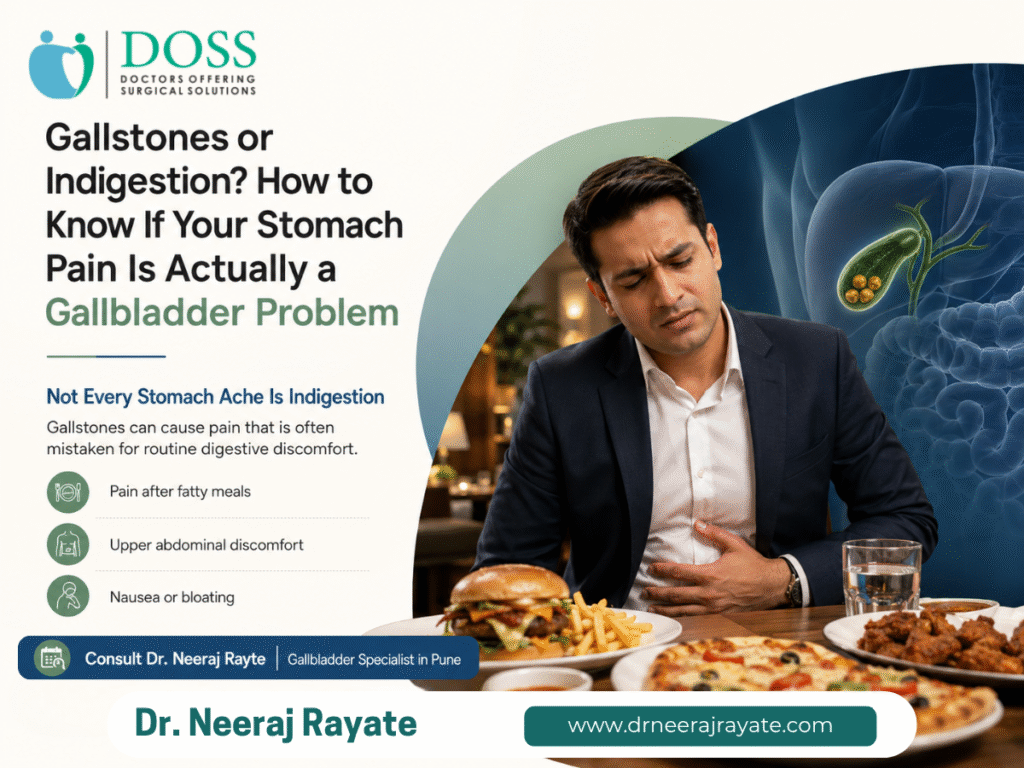
Stomach discomfort is one of the most common health complaints people experience. Many assume that bloating, nausea, or upper abdominal pain is simply indigestion caused by eating too much, eating too quickly, or consuming spicy foods. However, not all stomach pain originates from the digestive tract. In some cases, the real culprit may be your gallbladder.
Gallbladder problems, especially gallstones, can mimic the symptoms of indigestion, making it difficult for people to recognize when they need medical attention. Understanding the difference is important because untreated gallbladder disease can lead to serious complications.
If you frequently experience stomach pain after meals, consulting an experienced hernia surgeon in Pune or gastrointestinal specialist can help identify the underlying cause. According to Dr. Neeraj Rayate, early diagnosis plays a key role in preventing complications and ensuring timely treatment.
Understanding the Gallbladder and Its Role
The gallbladder is a small, pear-shaped organ located beneath the liver. Its primary function is to store and release bile, a digestive fluid produced by the liver that helps break down fats.
When you eat fatty foods, the gallbladder contracts and releases bile into the small intestine. However, problems can occur when hardened deposits known as gallstones form inside the gallbladder and block the normal flow of bile.
According to the National Institute of Diabetes and Digestive and Kidney Diseases (NIDDK), gallstones affect millions of people worldwide, and many individuals may not even know they have them until symptoms develop.
Source: https://www.niddk.nih.gov/health-information/digestive-diseases/gallstones
What Are Gallstones?
Gallstones are hardened deposits that develop within the gallbladder. They can vary in size from tiny grains to larger stones.
The two most common types include:
- Cholesterol stones, which account for most gallstones.
- Pigment stones, which are made from excess bilirubin.
While some people have silent gallstones that never cause symptoms, others experience painful attacks when stones block the bile ducts.
Why Gallbladder Pain Is Often Mistaken for Indigestion
Both indigestion and gallbladder disease can cause discomfort after eating, particularly after consuming fatty meals. Because the symptoms overlap, many people delay seeking medical care.
Common symptoms shared by both conditions include:
- Bloating
- Nausea
- Fullness after meals
- Upper abdominal discomfort
However, gallbladder pain tends to have distinct characteristics that set it apart from ordinary indigestion.
Key Signs Your Pain May Be a Gallbladder Problem
1. Pain in the Upper Right Abdomen
One of the most common signs of gallstones is pain in the upper right side of the abdomen.
Unlike indigestion, which often causes generalized discomfort, gallbladder pain is usually more localized and may feel sharp or intense.
The pain may:
- Develop suddenly
- Last from several minutes to several hours
- Worsen after eating fatty foods
2. Pain That Radiates to the Back or Shoulder
Gallbladder pain often spreads beyond the stomach area.
Many patients report discomfort that radiates to:
- The right shoulder
- The upper back
- Between the shoulder blades
This symptom is much less common with simple indigestion.
3. Repeated Attacks After Meals
Indigestion can occur occasionally after overeating or consuming certain foods. Gallbladder attacks, however, often follow a recurring pattern.
You may notice symptoms appearing:
- After heavy meals
- After fried or fatty foods
- During the evening or nighttime
Repeated episodes should not be ignored and warrant evaluation by a gallbladder specialist.
Symptoms That Require Immediate Medical Attention
Gallstones can sometimes lead to serious complications, including gallbladder inflammation, infection, or bile duct obstruction.
Seek urgent medical care if you experience:
- Severe abdominal pain lasting several hours
- Fever or chills
- Yellowing of the skin or eyes (jaundice)
- Persistent vomiting
- Dark urine or pale stools
The American College of Gastroenterology notes that these symptoms may indicate a more serious biliary condition requiring prompt treatment.
Source: https://gi.org/topics/gallstones-and-gallbladder-disease
Who Is at Higher Risk of Gallstones?
Certain factors increase the likelihood of developing gallstones.
Common risk factors include:
- Obesity
- Rapid weight loss
- Female gender
- Age over 40
- Family history of gallstones
- Diabetes
- High cholesterol levels
According to the National Health Service (NHS), obesity is one of the strongest risk factors because excess cholesterol can contribute to stone formation.
Source: https://www.nhs.uk/conditions/gallstones
How a Gallbladder Specialist Diagnoses Gallstones
If your doctor suspects gallbladder disease, several tests may be recommended.
The most commonly used diagnostic tools include:
- Ultrasound scan
- Blood tests
- CT scan
- MRI or MRCP imaging
Ultrasound is often the first and most effective test for detecting gallstones.
A gallbladder specialist will review your symptoms, medical history, and imaging results to determine the most appropriate treatment plan.
Treatment Options for Gallstones
The right treatment depends on whether gallstones are causing symptoms.
When Observation May Be Enough
Silent gallstones that do not cause symptoms may simply be monitored over time.
When Surgery Is Recommended
For symptomatic gallstones, gallbladder removal surgery, known as cholecystectomy, is often the preferred treatment.
Modern laparoscopic techniques offer several benefits:
- Smaller incisions
- Less postoperative pain
- Faster recovery
- Shorter hospital stay
The Society of American Gastrointestinal and Endoscopic Surgeons identifies laparoscopic cholecystectomy as the standard treatment for symptomatic gallstones.
Can Gallstones Be Prevented?
While not all cases can be prevented, certain lifestyle habits may help reduce risk.
These include:
- Maintaining a healthy weight
- Exercising regularly
- Eating a balanced diet rich in fiber
- Limiting excessive fatty and processed foods
- Avoiding rapid crash diets
Healthy lifestyle choices can improve overall digestive health and lower the chances of developing gallbladder disease.
When Should You See a Gallbladder Specialist?
Occasional indigestion is common and usually harmless. However, recurring upper abdominal pain should never be ignored.
Consider scheduling an evaluation if you experience:
- Frequent pain after meals.
- Pain in the upper right abdomen.
- Symptoms that wake you from sleep.
- Nausea associated with abdominal pain.
- Recurrent bloating that does not improve with dietary changes.
A timely consultation can help distinguish between routine digestive issues and a more serious gallbladder condition.
Read More –
- https://drneerajrayate.com/gallstones-causing-pain-symptoms-causes-advanced-treatment-options-in-pune/
- https://drneerajrayate.com/gallbladder-stones-expert-gallstone-treatment-in-pune-by-dr-neeraj-rayate/
Conclusion
Not every stomach ache is caused by indigestion. Gallstones and other gallbladder disorders can produce symptoms that closely resemble common digestive complaints, leading many people to delay treatment.
Recognizing the warning signs, particularly recurring upper abdominal pain, discomfort after fatty meals, and pain that radiates to the back or shoulder, can help you seek appropriate medical care before complications develop.
If you are experiencing persistent digestive symptoms, Dr. Neeraj Rayate and the team at NA provide comprehensive evaluation and advanced treatment options for gallbladder conditions. As an experienced gallbladder specialist in Pune, Dr. Neeraj Rayate can help diagnose the cause of your symptoms and recommend the most effective treatment plan for long term digestive health.
#Gallstones #GallbladderHealth #DigestiveHealth #GallbladderSpecialist #LaparoscopicSurgery #AbdominalPain #GastroHealth #GallbladderSpecialistInPune #DrNeerajRayate